
Knee Replacement Surgery: A New Beginning for Pain-Free Movement
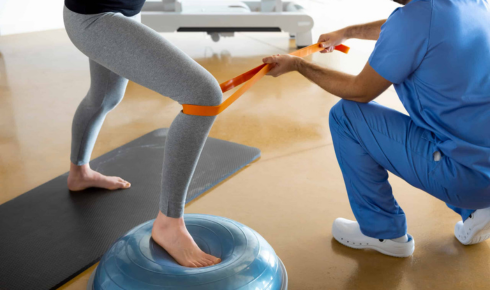
Chronic knee discomfort can slowly turn into a serious problem over time. What begins as mild irritation may eventually make daily activities like walking, climbing stairs, sitting, or even sleeping difficult. Many people rely on medicines, yoga, home remedies, and physiotherapy for years. While these methods work in early stages, severe joint damage often requires a long-term solution. In such cases, the knee replacement procedure becomes a transformative treatment.
This surgery has helped millions regain mobility, reduce pain, and return to an active life.
When Should You Consider This Surgery?
Not every case of knee pain needs surgery. However, medical attention becomes crucial when the pain disrupts routine life. Common signs include:
- Persistent joint discomfort, even during rest
- Repeated fluid buildup in the knee
- Severe mobility stiffness
- Difficulty walking, standing, or climbing stairs
- Noticeable knee deformity or alignment change
- Disturbed sleep because of pain
If these issues continue for months despite treatment, doctors may suggest surgical evaluation.
Types of Knee Replacement Procedures
Based on the condition of the joint and patient health, doctors may recommend:
- Advanced Total Knee Replacement – Suitable when the entire joint is damaged.
- Selective Partial Knee Implant – Only the worn-out portion is replaced.
- Double Knee Replacement Surgery – Both knees treated during the same operation.
- Minimally Invasive Knee Technique – Smaller cuts, quicker healing, reduced post-operative pain.
- Knee Implant Revision Surgery – Replacement of an older or damaged implant.
Conditions That Lead to Knee Joint Damage
Several health issues slowly deteriorate the knee joint:
- Degenerative Osteoarthritis
- Autoimmune Rheumatoid Arthritis
- Previous ligament or sports injuries
- Structural bone deformities
- Post-trauma cartilage wear
- Reduced blood flow to the knee bones
These conditions gradually reduce cushioning and make movement extremely painful.
How to Prepare for Knee Replacement Surgery
Proper preparation ensures smooth recovery. Patients are usually advised to:
- Complete pre-surgery medical evaluation
- Take the required diagnostic imaging tests.
- Share ongoing treatments and medicines.
- Control lifestyle factors like smoking
- Follow a nutrient-rich diet.
- Perform light muscle-strengthening exercises.
These steps lower complications and support faster healing.
What Happens During the Surgery?
During the knee joint replacement process:
- The patient receives anesthesia.
- Damaged bone and cartilage are removed.
- High-quality artificial implants are positioned.
- The joint movement is tested.
- The incision is carefully closed.
The procedure usually takes 1–2 hours.
Recovery and Life After Surgery
Recovery typically begins within the first 24 hours. Physiotherapy plays a major role in regaining strength and movement. Walking starts with support and gradually improves. Swelling and pain decrease with medication and rest. Within a few weeks, most patients resume day-to-day activities confidently.
Conclusion
Selecting the right hospital and specialists greatly influences the outcome. For those seeking expert knee replacement care in Bangalore, DHEE Hospitals offers advanced orthopedic surgery, skilled surgeons, modern operating rooms, and structured rehabilitation programs to help patients return to a pain-free, active lifestyle.