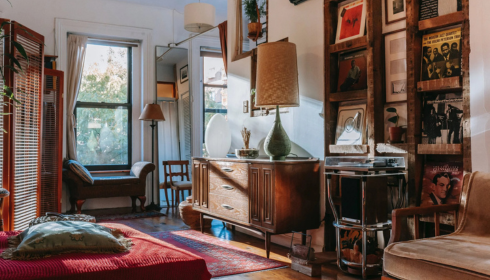
A home painting project can quickly feel chaotic, with furniture piled in the middle of rooms, paint samples scattered across walls, and a timeline that keeps slipping, if it isn’t planned in stages. Homeowners in Ghaziabad who approach painting as a structured process, rather than a single event, tend to have a smoother experience with fewer surprises and less disruption to daily life.
Stage 1: Define the Scope Clearly
Before contacting any painting services, decide exactly what’s included in this round of work. Is it the entire home, specific rooms, or just touch-ups in high-traffic areas? Will ceilings, doors, grills and balconies be part of the project, or only walls? Being specific about scope from the start prevents confusion later and makes it much easier to get accurate, comparable quotes from different providers, since a vague brief often leads to vague, mismatched estimates.
Stage 2: Assess Wall Condition Honestly
Walk through your home and note visible issues, cracks, dampness patches, flaking paint, discolouration, before any painter arrives. This isn’t about diagnosing the problem yourself, but about having an honest starting point so you can discuss it clearly during a professional consultation. Homes that haven’t been repainted in five years or more often need more preparation work than a quick refresh, and knowing this in advance helps you budget realistically for home painting services rather than being caught off guard by additional charges for crack filling or damp treatment.
Stage 3: Shortlist Colours and Finishes in Advance
One of the biggest causes of delay in a house painting services project is indecision over colour once work has already started. Shortlist your preferred shades and finishes ahead of time, test samples directly on your walls under different lighting, and finalise your choices before painters arrive on-site. With thousands of shade options and hundreds of texture ideas typically available, narrowing things down early, rather than browsing catalogues while painters wait, keeps the project moving on schedule.
Stage 4: Get a Detailed, Written Estimate
Once scope and preferences are settled, request a written estimate that itemises material cost, labour cost, the number of coats, and any preparation work included. This is also the point to confirm the paint brand and category, since premium paints from trusted brands typically last longer even though they cost more upfront. A clear, transparent estimate at this stage prevents disputes over “extra” charges once work is underway.
Stage 5: Plan for Practical Disruptions
Painting inevitably disrupts daily routines to some degree. Plan for furniture to be moved or covered, decide which rooms will be painted first if you’re staying in the home during the project, and set aside adequate ventilation time, especially if anyone in the household is sensitive to paint odour. Agreeing on a realistic day-by-day schedule with your painting service in advance, rather than an open-ended timeline, helps you plan around the disruption instead of being surprised by it.
Stage 6: Confirm Timelines and Communication
Ask for a specific project timeline broken down by phase, preparation, priming, first coat, second coat, and finishing touches, so you know roughly what to expect each day. Establish a single point of contact for updates or concerns during the project, rather than having to chase different people for information. On-time project completion is far more achievable when both sides are working from the same clear schedule.
Stage 7: Do a Thorough Final Walkthrough
Before considering the project complete, walk through every room with the painting team in good daylight, checking corners, ceilings, skirting and areas around switchboards for missed spots or uneven finishing. Address any issues immediately while the team and materials are still on-site, rather than discovering problems weeks later. A reliable service will also stand behind a quality guarantee, addressing any issues that surface within a reasonable period after completion.
Stage 8: Build in a Small Buffer
Even well-planned projects can face minor delays due to weather, unexpected wall repairs discovered during prep, or drying time needed between coats. Building a small buffer of a day or two into your overall schedule, rather than planning around a tight best-case timeline, reduces stress if something takes slightly longer than expected. This is particularly relevant during humid months, when paint can take longer to dry properly between coats, affecting the overall pace of professional painting services.
Bringing It Together
An organised home painting project isn’t about controlling every detail yourself; it’s about sequencing decisions in the right order: scope, wall assessment, colour choices, written estimate, practical planning, timeline, and final walkthrough, so that professional painting services can execute efficiently without constant back-and-forth. This structured approach consistently leads to a smoother project, fewer surprises, and a finished result that matches what was actually planned from the start.