
Unlocking Health Insights: The Importance of Regular Blood Testing
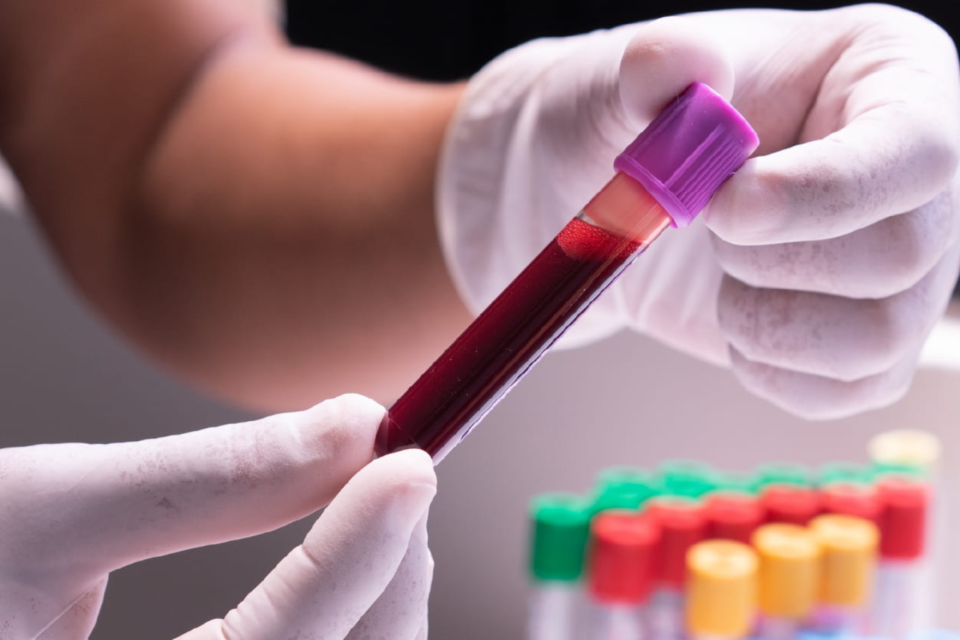
Routine blood testing is one of the most powerful tools available in modern preventive healthcare. It provides a detailed snapshot of your internal health — revealing potential issues long before symptoms appear. For Australians committed to staying ahead of their wellbeing, regular blood work is not just a medical formality; it is a proactive strategy for long-term vitality and quality of life.
Whether you are managing a chronic condition, monitoring the effects of medication, or simply wanting to understand your body better, comprehensive blood testing delivers the data you need to make informed decisions. If you are ready to take control of your health insights, explore Blood Testing Services and discover how targeted pathology can transform your approach to wellness and disease prevention.
Why Regular Blood Testing Is Essential
Blood tests are the foundation of evidence-based healthcare. They measure a wide range of biomarkers — from cholesterol levels and blood glucose to vitamin deficiencies and hormonal imbalances. By establishing a baseline and tracking changes over time, both you and your practitioner can identify trends that may indicate developing health concerns before they become serious.
In Australia, many adults only have blood work done when they feel unwell. However, conditions such as Type 2 diabetes, thyroid dysfunction, and iron deficiency anaemia often develop gradually, with symptoms so subtle they go unnoticed for months or even years. Regular testing catches these issues early, when intervention is simplest and most effective. Preventive pathology is rapidly becoming a cornerstone of modern Australian healthcare, with practitioners increasingly recommending annual comprehensive panels for all adults.
Common Biomarkers Tested
- Full Blood Count (FBC): Measures red blood cells, white blood cells, haemoglobin, and platelets. It provides a broad overview of your general health and can detect infections, anaemia, and immune disorders.
- Lipid Panel: Assesses cholesterol levels including LDL, HDL, and triglycerides. Elevated lipids are a key risk factor for cardiovascular disease, which remains the leading cause of death in Australia.
- Blood Glucose and HbA1c: These markers help diagnose and monitor diabetes. HbA1c provides a three-month average of blood sugar levels, offering a more comprehensive picture than a single glucose reading.
- Thyroid Function Tests: Measures TSH, T3, and T4 to evaluate thyroid health. An underactive or overactive thyroid can significantly impact energy, weight, mood, and metabolic function.
- Liver and Kidney Function: Enzymes such as ALT, AST, and creatinine reveal how well your liver and kidneys are processing waste and toxins. Early detection of dysfunction allows for timely intervention.
- Vitamin and Mineral Levels: Testing for Vitamin D, B12, iron, folate, and magnesium helps identify deficiencies that affect energy, cognition, immune function, and bone health.
Who Should Consider Regular Blood Testing?
While everyone can benefit from periodic blood work, certain groups should be particularly attentive. Individuals over the age of 40 face increased risk for cardiovascular disease, metabolic conditions, and hormonal changes. Athletes and highly active individuals may have different nutritional requirements that standard diets do not always meet. Those taking regular medications need monitoring to ensure treatments are effective without causing adverse effects.
Women experiencing perimenopause or menopause can gain significant insight from hormone panels, while men over 50 should consider prostate-specific antigen (PSA) screening alongside their standard blood work. Families with a history of diabetes, heart disease, or autoimmune conditions also benefit greatly from regular surveillance. Even young adults in their twenties and thirties should establish baseline readings to track changes throughout their lives.
The Role of Preventive Pathology
Preventive pathology goes beyond reacting to symptoms. It is about building a longitudinal picture of your health that empowers informed decision-making. When you have consistent data points over months and years, patterns emerge that would be invisible in a single test. This approach aligns perfectly with the growing emphasis on personalised medicine, where treatments are tailored to the individual rather than applied generically. In Australia, preventive health checks are increasingly supported by both public and private health systems.
Understanding Your Blood Test Results
Receiving blood test results can be overwhelming, particularly if you are unfamiliar with medical terminology. Reference ranges are provided alongside each biomarker, but it is important to note that ‘normal’ ranges are statistical averages — they do not necessarily represent your optimal levels. A qualified practitioner can interpret your results in the context of your overall health picture, lifestyle, and goals, providing nuanced insights that go beyond simple pass-fail assessments.
For instance, a Vitamin D level within the normal range might still be suboptimal for someone experiencing chronic fatigue. Similarly, iron levels that appear adequate may be insufficient for a woman with heavy menstrual cycles. Context matters enormously in pathology interpretation, and this is where professional guidance becomes invaluable. Never attempt to self-diagnose based on pathology results alone — always seek qualified interpretation.
Key Tips for Accurate Results
- Fast for 10 to 12 hours before your test if instructed — this ensures lipid and glucose readings are accurate and comparable to reference ranges.
- Stay well hydrated by drinking water, as dehydration can affect certain markers including kidney function and haemoglobin concentration.
- Inform your practitioner about all medications, supplements, and herbal remedies you are taking, as these can influence test results.
- Schedule your test for the morning when most fasting markers are most reliable and your body’s circadian rhythms are optimal for testing.
- Avoid strenuous exercise 24 hours before testing, as intense activity can temporarily alter muscle enzyme levels and inflammatory markers.
How Often Should You Get Tested?
For healthy adults with no known conditions, an annual comprehensive blood panel is a reasonable starting point. However, if you are managing a chronic illness, undergoing treatment, or have risk factors for specific conditions, your practitioner may recommend quarterly or biannual testing. The frequency should be personalised to your circumstances — there is no universal schedule that applies to everyone.
It is also worth noting that Medicare covers many standard blood tests when ordered by a GP. However, some advanced panels — such as comprehensive hormone profiles, food sensitivity testing, or advanced cardiovascular markers — may not be fully covered. Discuss the costs upfront with your practitioner so there are no surprises and you can budget accordingly for your preventive health programme.
The Future of Blood Testing in Australia
Advances in pathology technology are making blood testing more accessible and informative than ever. Point-of-care testing, where results are available within minutes rather than days, is becoming increasingly common in clinics and pharmacies. Additionally, at-home blood collection kits allow patients in regional and remote areas to access comprehensive testing without travelling to a pathology centre, breaking down traditional barriers to healthcare access.
Digital health platforms are also transforming how results are delivered and interpreted. Many providers now offer secure online portals where patients can view their results, track trends over time, and communicate directly with their healthcare team. This shift toward patient-centred care puts you firmly in control of your health data and encourages more active participation in your own wellbeing management.
Conclusion: Invest in Your Health Through Knowledge
Blood testing is not just a medical procedure — it is an investment in your future wellbeing. By understanding your internal health markers, you gain the power to make informed decisions, catch potential issues early, and optimise your lifestyle for longevity and vitality. Do not wait for symptoms to drive your healthcare choices. Be proactive, get tested regularly, and work with a qualified practitioner who can interpret your results with the nuance and care they deserve.
Your body communicates through biomarkers. Learning to listen — and acting on what you hear — is one of the most impactful things you can do for your long-term health. Start your journey today and make regular blood testing a cornerstone of your personal wellness strategy.