You don’t always notice your home’s water quality until something changes. Maybe the water looks slightly brown when you first turn on the tap, your kettle develops a stubborn white coating, or filling a glass leaves you wondering why the water tastes different than it used to. These little things can be easy to ignore, but they’re often worth investigating.
Water travels a long way before reaching your kitchen. Along the way, it may encounter naturally occurring minerals, treatment chemicals, aging pipes, and other substances that influence its appearance and taste. Most public water supplies are treated to meet applicable standards, yet local conditions and household plumbing can still affect the water coming from your tap.
Fortunately, you don’t have to guess your way through the problem. Understanding what causes common water issues makes it easier to choose a practical treatment solution, avoid unnecessary purchases, and enjoy greater confidence in the water your family uses every day.
When Water Looks Cloudy, Brown, or Rusty
Clear water is reassuring, so it’s understandable to feel concerned when it suddenly looks different. Cloudiness, reddish-brown discoloration, and visible particles can have several causes, and the right response depends on what’s happening.
Sometimes cloudy water contains tiny air bubbles that disappear after the water sits in a glass for a minute or two. In other situations, discoloration may be associated with disturbed deposits in water mains, corrosion in plumbing, or changes in the local supply.
The combination of sediment and rust is a common concern in homes with aging plumbing or water supplies affected by iron-containing deposits. Iron can produce reddish stains around sinks, toilets, and laundry fixtures. Sediment may also collect in aerators, showerheads, and other fittings, gradually affecting water flow.
However, appearance alone cannot confirm the cause or establish whether the water is safe to drink. If discoloration appears suddenly, persists, or comes with an unusual odor, contact your water supplier or a qualified plumbing professional. Follow local drinking-water advisories and avoid assuming that boiling or using an ordinary filter will resolve the problem.
Once the source has been identified, treatment becomes much more straightforward. Depending on the situation, options may include sediment filtration, iron removal equipment, plumbing repairs, or flushing procedures recommended by the water supplier.
Understanding Dissolved Salts and Minerals
Not every water problem involves particles you can see. Some substances remain dissolved in water, which means the water can look perfectly clear while still containing minerals that affect its behavior.
Calcium and magnesium are responsible for much of the hardness found in household water. They can leave white deposits on faucets, make soap harder to rinse away, and gradually build up inside kettles and water heaters. Other dissolved substances, including sodium, chloride, and various naturally occurring minerals, may influence water taste or suitability for particular uses.
The term dissolved salts and minerals covers a broad group of substances, and their presence isn’t automatically a reason for concern. Many minerals occur naturally in drinking water. What matters is which substances are present, their concentrations, and whether they exceed relevant guidelines or create practical problems.
A total dissolved solids (TDS) meter can provide a rough indication of the amount of dissolved material in water, but it cannot identify individual contaminants. A high reading doesn’t automatically mean water is unsafe, and a low reading doesn’t prove that every harmful substance is absent.
If you regularly see scale around taps or notice that your soap doesn’t lather well, a hardness test can help determine whether a water softener might be useful. If the concern involves drinking-water safety, more specific testing may be needed.
Knowing the difference between hardness, dissolved solids, and harmful contaminants prevents a lot of confusion when comparing treatment systems.
Choosing a Filtration System That Fits the Problem
Water treatment isn’t a one-size-fits-all purchase. A household dealing with visible sediment needs a different solution from one concerned about chlorine taste or dissolved contaminants.
Sediment filters are designed to capture suspended particles such as sand, silt, and certain rust particles. Their effectiveness depends on the filter’s pore size and the nature of the material being removed. They don’t generally remove dissolved salts or disinfect water contaminated with harmful microorganisms.
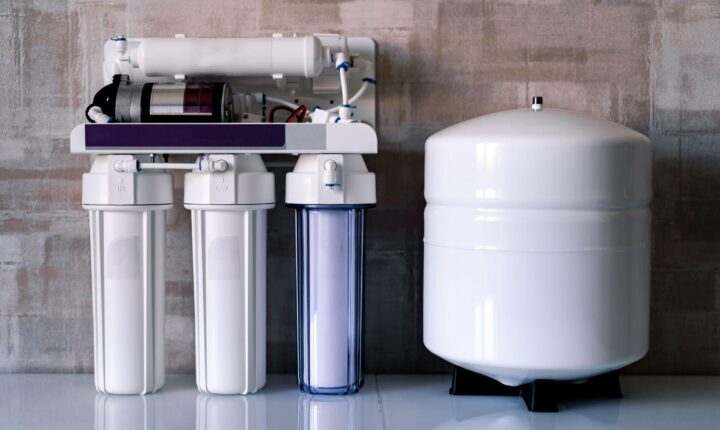
Activated carbon filters are commonly used to improve taste and odor, particularly by reducing chlorine and certain organic compounds. Water softeners address hardness by removing calcium and magnesium through ion exchange. Reverse osmosis systems can reduce many dissolved substances, although performance varies according to the unit and the specific contaminant.
Before selecting equipment, identify the problem as clearly as possible. Review your water supplier’s quality report, arrange testing where appropriate, and check the manufacturer’s performance claims carefully.
It’s also sensible to consider your household’s daily water use. A small apartment may have different needs from a large family that cooks frequently, fills reusable bottles, and uses substantial amounts of water throughout the day.
The goal isn’t to install the most elaborate system available. It’s to choose equipment that addresses the issue reliably without creating unnecessary costs or maintenance work.
The Convenience of Filtered Water at Home
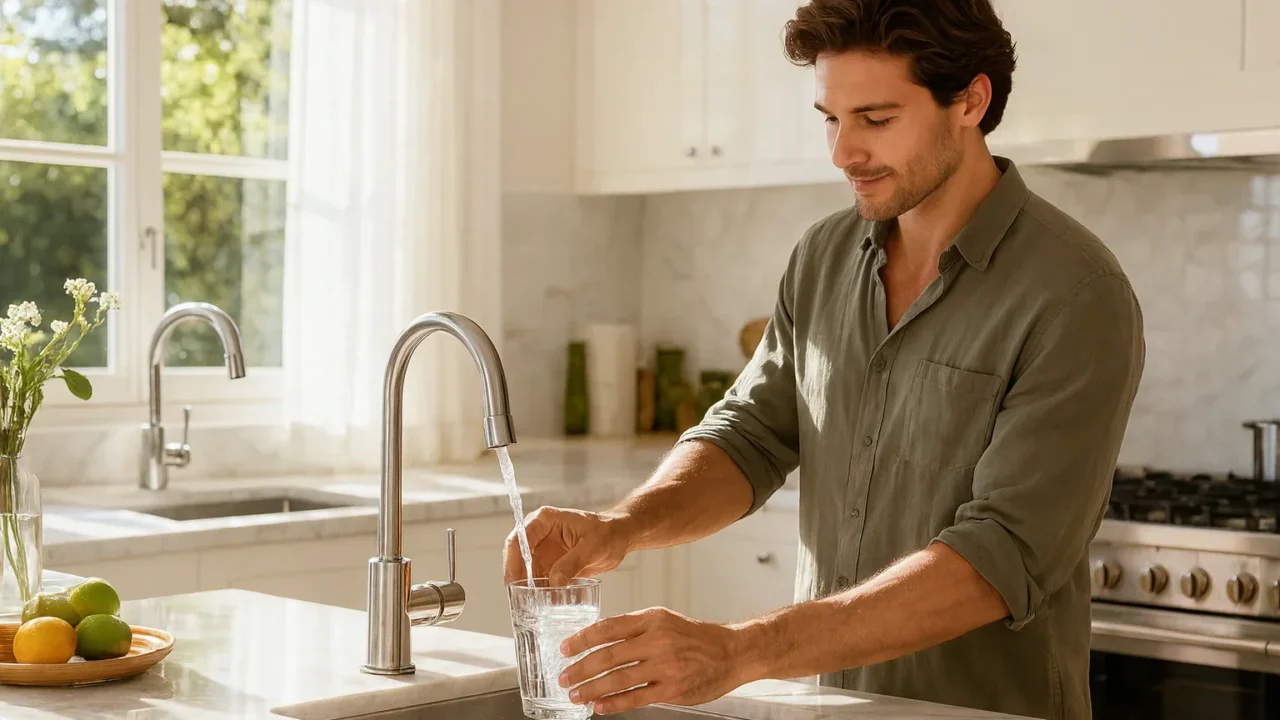
There’s a practical pleasure in having drinking water ready whenever you need it. You can fill a glass while preparing breakfast, refill a bottle before leaving for work, or add water to a cooking pot without having to open another bottle from the refrigerator.
Systems that provide filtered water on demand make this routine easier, particularly for busy households. Depending on the design, a unit may connect directly to the kitchen plumbing and dispense treated water through a dedicated faucet or an integrated dispenser.
Under-sink filtration systems are popular because they keep most of the equipment hidden inside the cabinet. Countertop filters offer another option for people who prefer simpler installation or cannot make permanent changes to their plumbing.
Some households may benefit from a bottleless water cooler, which connects to a water supply and filters it before dispensing. This can be useful in home offices or shared spaces where people regularly fill cups and reusable bottles.
Convenience, however, shouldn’t overshadow performance. Check the system’s treatment capabilities, expected output, filter replacement schedule, and compatibility with your water supply. A dispenser that produces water quickly is helpful, but it still needs to treat the water appropriately.
Don’t Forget Maintenance and Long-Term Costs
Installing a filter is only the beginning. Every treatment system has maintenance requirements, and overlooking them can reduce its effectiveness.
Sediment cartridges may need frequent replacement when incoming water contains lots of particles. Carbon filters gradually lose their ability to perform as intended, while reverse osmosis units may require several replacement components at different intervals. Water softeners need appropriate salt supplies and occasional checks to ensure they are operating correctly.
Keep a record of installation and replacement dates. Follow the manufacturer’s recommendations rather than waiting for water flow or taste to change noticeably. Those signs can be useful warnings, but they aren’t reliable indicators of every type of filter performance.
Cost deserves a little attention, too. Compare the purchase price with installation charges, replacement cartridges, salt, servicing, and any electricity or wastewater costs. A cheaper unit may be perfectly adequate for a simple issue, while a more advanced system could be justified when testing identifies a specific concern.
Reliable equipment that is maintained consistently will generally serve a household better than an expensive system that gets neglected.
Better Water Starts With Understanding It
Water problems can be frustrating, especially when they affect everyday routines. Yet the solution is often easier to find once you know whether you’re dealing with suspended particles, mineral hardness, taste and odor issues, or a specific contaminant.
Start by observing changes in your water and checking reliable local information. If the cause isn’t clear, arrange suitable testing instead of relying on appearance alone. Then choose a treatment system based on verified performance and the actual needs of your home.
There’s no need to turn water treatment into a complicated project. A properly selected filter, a timely plumbing repair, or a little routine maintenance may be all that’s required.
In the end, better water isn’t about buying every available upgrade. It’s about understanding what’s coming through your taps and making thoughtful decisions that improve everyday comfort, protect household equipment, and help you use water with greater confidence.