Running a business means dealing with enough unexpected problems already. A piece of equipment breaks down, a delivery arrives late, or a busy week suddenly becomes busier than planned. Water treatment issues might seem minor by comparison, until a clogged filter slows production, hard water affects equipment, or a leaking connection forces part of the building out of service.
For businesses that depend on reliable water, regular servicing isn’t simply another item on the maintenance checklist. It’s a practical way to protect equipment, manage operating expenses, and keep everyday work moving. The trick is finding a service arrangement that fits the business rather than disrupting it.
Whether you manage a restaurant, hotel, office building, manufacturing facility, or commercial property, a little planning can make water system maintenance far less stressful.
Why Reliable Water System Servicing Matters
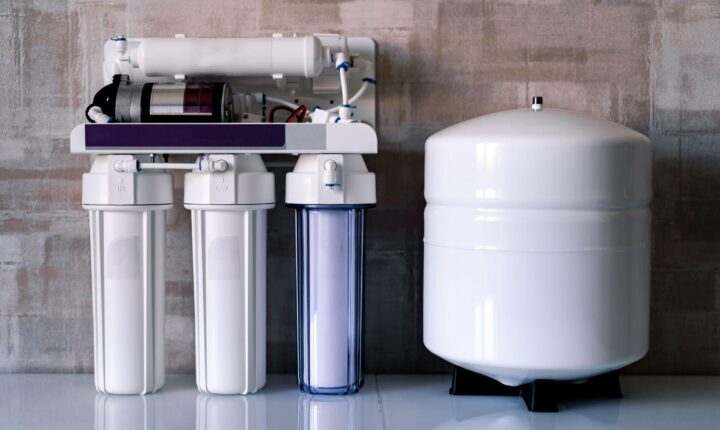
Commercial water treatment equipment works quietly in the background, which makes it easy to overlook. Filters capture particles, softeners help control hardness, and specialised systems treat water for particular applications. But these components don’t last forever. Their performance can change with water quality, usage levels, and the amount of maintenance they receive.
A neglected system may show warning signs such as reduced water flow, unusual pressure changes, visible mineral deposits, or repeated equipment alerts. Sometimes the issue develops gradually, and staff simply adapt to the inconvenience. A tap takes longer to fill a container, for instance, or cleaning equipment needs more attention than it used to.
These small changes deserve investigation. A blocked cartridge might be the cause, but a faulty valve, plumbing restriction, or another problem could produce similar symptoms. Regular inspections help businesses identify the underlying issue instead of repeatedly treating the symptoms.
Good servicing also provides an opportunity to review whether the existing equipment still meets the property’s needs. If water consumption has increased or operations have changed, a system that once worked well may now need adjustments.
Scheduling Service Around Business Operations
One of the biggest challenges with commercial maintenance is timing. A restaurant cannot always stop kitchen operations during the lunch rush, and a hotel needs to keep guest facilities available whenever possible. Industrial sites may have planned production windows that leave little room for unexpected work.
This is where flexible scheduling becomes genuinely useful. A service provider who can arrange visits around quieter operating periods, planned shutdowns, or staff availability can help minimise disruption. Depending on the business, that might mean an early-morning inspection, an appointment outside peak hours, or coordinating several maintenance tasks during one visit.
Flexible arrangements work best when expectations are clear. Discuss how much notice is needed, how urgent visits are handled, and whether certain jobs require the system to be switched off. Some tasks are quick, while others may involve draining equipment, replacing components, flushing pipes, or sanitising parts of the system.
It’s also sensible to identify which activities can be scheduled in advance and which need an immediate response. A routine cartridge change can usually be planned, whereas a significant leak or a sudden loss of treatment performance may require prompt attention.
The goal isn’t to avoid every interruption. That’s rarely realistic. It’s to make maintenance predictable wherever possible and respond sensibly when something unexpected happens.
Understanding the Real Cost of Maintenance
When comparing service providers, businesses naturally look at price. Budgets matter, particularly for small businesses that need to manage every recurring expense. Still, the lowest quote doesn’t always represent the best value.
A useful comparison considers the full scope of the service. Does the price include labour, inspection, and basic adjustments? Are replacement filters and other parts charged separately? Is emergency support available, and if so, how are those visits billed? Are there additional costs for travel or work outside normal hours?
Transparent competitive pricing should make these details easier to understand, not hide them behind an attractive starting figure. Ask for a written breakdown of the proposed service and clarify what happens if the technician discovers a problem requiring additional work.
It can also help to compare the cost of maintenance with the possible cost of neglect. A scheduled inspection may seem like an avoidable expense when the system appears to be working normally. But a failed pump, damaged membrane, or prolonged leak can create repair costs and operational losses that are much harder to absorb.
That doesn’t mean every business needs an expensive service contract. A small property with a simple filtration unit may require relatively little support, while a large facility with several treatment stages may benefit from more comprehensive coverage. The right choice depends on equipment complexity, usage, and the consequences of a breakdown.
Preventing Downtime Before It Starts
Unexpected equipment failure can affect much more than the water supply itself. A restaurant may struggle to complete cleaning tasks, a hotel could face guest complaints, and a manufacturing operation might have to delay work until suitable water is available again.
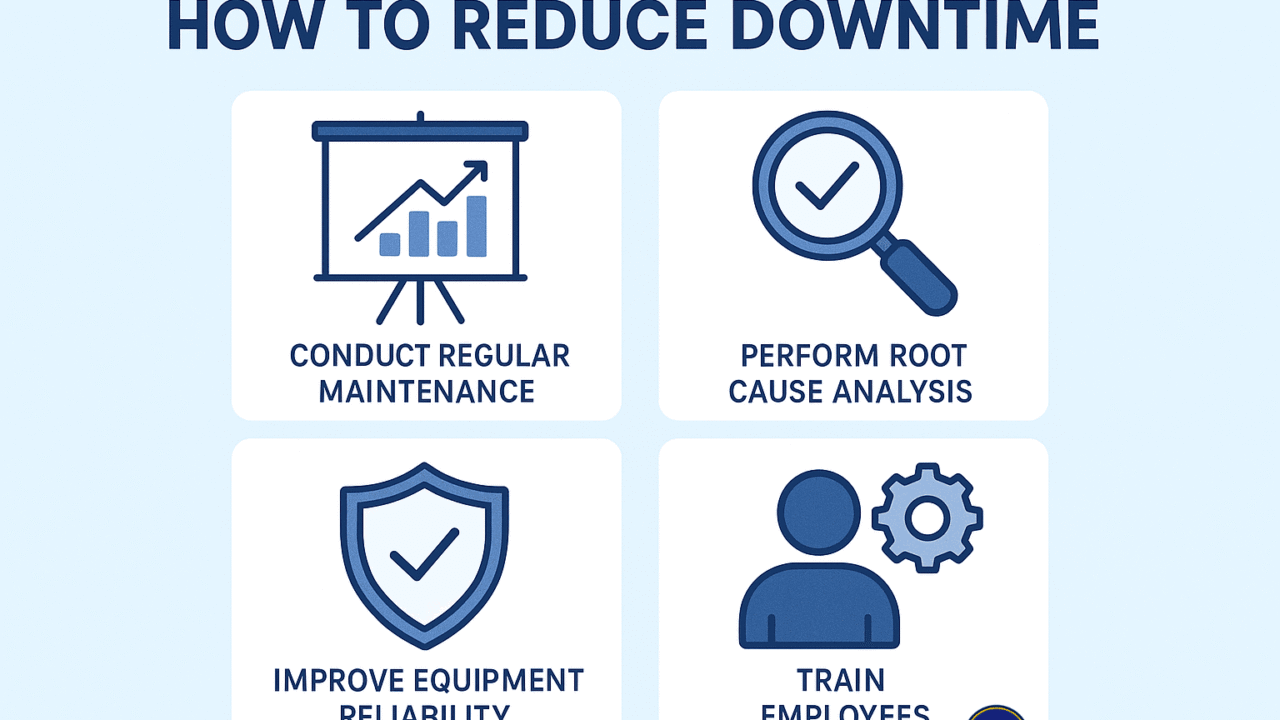
A planned maintenance programme focuses on reducing downtime by identifying potential problems before they become operational emergencies. This may involve checking pressure readings, monitoring flow rates, inspecting connections, replacing consumables at appropriate intervals, and reviewing any unusual changes in performance.
Businesses should also keep essential information accessible. Staff need to know where the system’s instructions are stored, whom to contact when a fault appears, and how to follow the manufacturer’s emergency shutdown procedure if necessary.
Spare parts deserve some thought as well. Keeping every possible component on site would be impractical, but stocking commonly used cartridges or other essential consumables may be worthwhile when delivery delays could interrupt important operations.
For larger facilities, maintenance records can reveal patterns that might otherwise go unnoticed. If the same filter repeatedly becomes clogged ahead of schedule, for example, the incoming water may have a higher sediment load than expected. Addressing the cause could be more effective than simply changing the filter more often.
Choosing a Service Provider You Can Trust
A reliable service relationship should offer more than a technician who turns up, replaces a component, and leaves. Businesses need clear communication, sensible recommendations, and an honest explanation of what their equipment requires.
Look for providers with experience in the relevant type of water treatment system. Servicing a basic sediment filter is different from maintaining reverse osmosis equipment, commercial softeners, ultraviolet treatment units, or complex industrial installations.
Ask about technician qualifications, service documentation, response arrangements, and the availability of compatible replacement parts. References from businesses with similar equipment can also provide useful insight into the provider’s reliability.
Be cautious of recommendations that rely on pressure rather than evidence. If a technician suggests replacing an expensive component, ask what the inspection or test results indicate. Sometimes replacement is necessary; in other cases, cleaning, adjustment, or a smaller repair may solve the problem.
A good provider should be comfortable explaining the reasoning behind the recommendation in straightforward language. You shouldn’t need to become a water treatment specialist just to understand what you’re paying for.
Building a Maintenance Routine That Works
The most effective maintenance plan is one the business can realistically follow. Start by listing the equipment on site, recording installation dates, and reviewing the manufacturer’s servicing instructions. From there, create a schedule that reflects actual usage and the consequences of equipment failure.
Assign responsibility for routine visual checks, but leave technical work to appropriately qualified personnel. Staff can report leaks, changes in water pressure, unusual sounds, and warning lights without dismantling equipment or attempting repairs beyond their training.
Review the plan whenever operations change. A new kitchen, expanded production line, or increase in building occupancy may place additional demand on the water system. Periodic water testing can also help determine whether the existing treatment setup remains suitable.
Making Water Maintenance a Business Advantage
Water system servicing may never be the most exciting part of running a business, but it can make everyday operations noticeably easier. Well-timed visits, clear costs, suitable equipment, and consistent maintenance all help reduce uncertainty.
Rather than waiting for a problem to interrupt the working day, businesses can take a more measured approach: understand their equipment, plan essential tasks, and choose service support that fits their actual needs.
Over time, that approach can protect valuable equipment, make budgets more predictable, and help staff concentrate on serving customers or completing their work. Reliable water doesn’t happen by accident. It comes from sensible decisions made well before the first sign of trouble.