Clean water is something most households expect without giving it much thought. Turn on the tap, fill a glass, start the washing machine, or step into the shower—it should all work without a second thought. But water quality can change over time, and even a well-designed filtration or softening system may not perform properly if it isn’t checked and maintained.
Water treatment is not a one-time purchase. It’s an ongoing process that involves understanding your water, choosing suitable equipment, and making sure that equipment continues to work as intended. Whether you rely on well water or a municipal supply, regular attention can help protect your plumbing, improve taste and odor, and prevent small issues from becoming expensive headaches.
Why Water Quality Can Change Over Time
Water conditions are not always consistent. With private wells, seasonal rainfall, drought, flooding, nearby construction, agricultural activity, and changes in groundwater levels can influence water chemistry. A well that tested normally several years ago may develop new concerns later.
Municipal water is treated before it reaches homes, but its quality can still be affected by aging pipes, plumbing materials, storage tanks, or changes in the local supply. Disinfectants such as chlorine may also create taste and odor concerns, while sediment and mineral content can vary depending on the area.
That’s why water testing should be considered an important part of household water care. Testing can help identify concerns such as hardness, iron, sulfur, chlorine, pH imbalance, bacteria, nitrates, or other contaminants. The right testing schedule depends on the water source and local conditions, but private well owners should be especially attentive and arrange testing when there is a noticeable change in taste, smell, color, or appearance.
A Treatment System Needs More Than Installation
Many homeowners assume that once a water softener, filter, or reverse osmosis unit has been installed, the work is finished. In reality, every treatment system contains components that wear down, collect debris, or require periodic attention. Filters become saturated, tanks need inspection, and certain systems must be cleaned or regenerated.
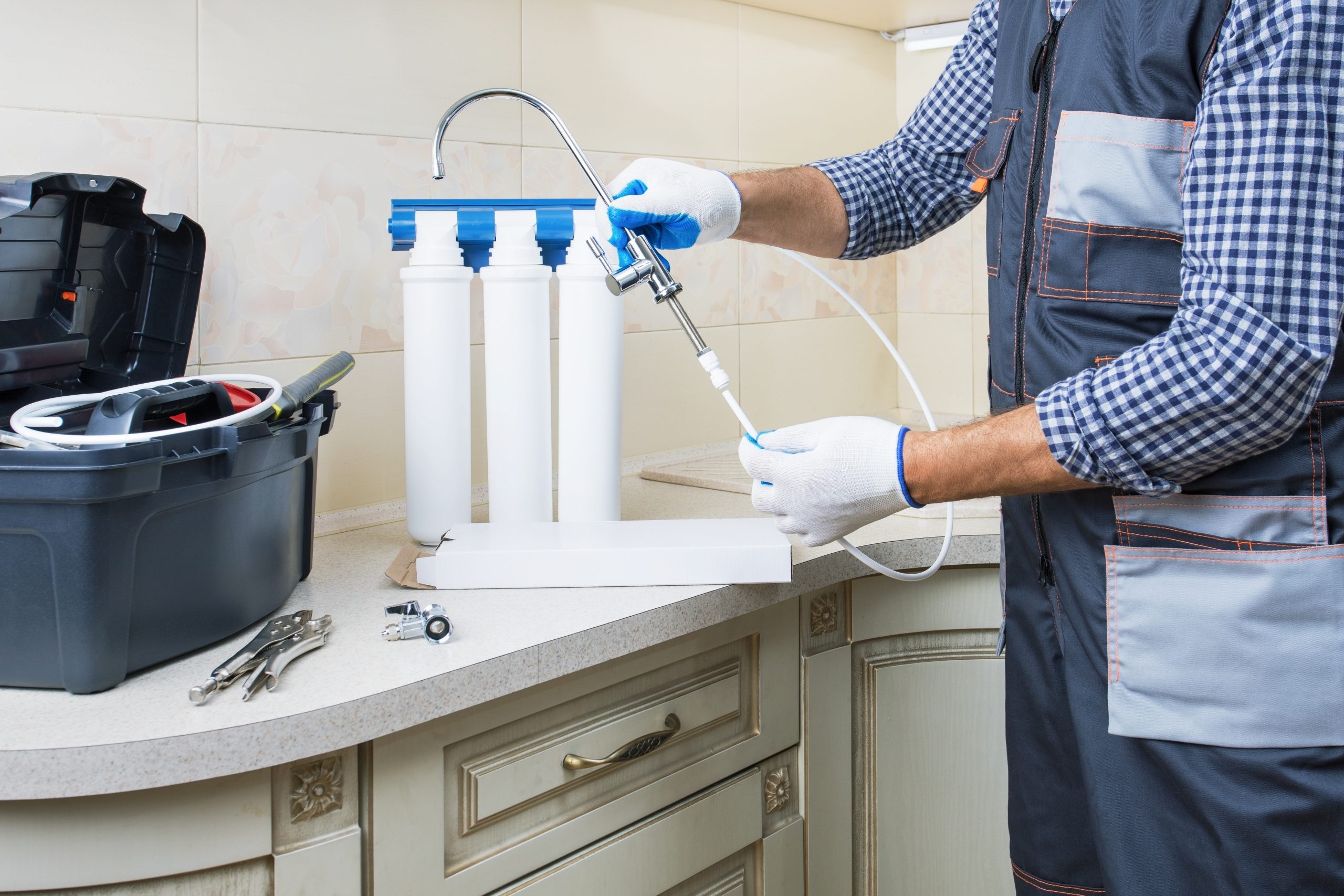
This is where water treatment system maintenance becomes essential. Maintenance may include replacing filter cartridges, checking pressure levels, cleaning components, inspecting valves, testing water quality, sanitizing storage tanks, and reviewing the system’s overall performance.
The specific tasks depend on the equipment. A carbon filter may need media replacement after a certain volume of water has passed through it. A water softener may require salt replenishment, resin-bed checks, and valve inspections. Reverse osmosis systems often need several filters replaced at different intervals, while UV systems require lamp replacement and quartz sleeve cleaning.
Skipping these tasks can reduce water quality and shorten the life of the equipment. In some cases, an ignored maintenance issue can also cause leaks or place unnecessary strain on the home’s plumbing.
Signs Your Water Treatment Equipment Needs Attention
Water treatment systems often provide warning signs before they stop working completely. Paying attention to these clues can help homeowners address problems early.
One common sign is a return of the original water issue. For example, hard water spots may begin appearing on glassware again, soap may stop lathering properly, or laundry may feel rough after washing. If a filter was installed to reduce chlorine taste or odor, a noticeable change in drinking water may indicate that the filter media is nearing the end of its useful life.
Reduced water pressure can also be a warning sign. A clogged sediment filter may restrict flow, while a problem with a valve, pump, or membrane can affect performance. Strange noises, frequent system cycling, unusual odors, or visible leaks should not be ignored.
Sometimes, the issue is not the treatment equipment itself. Changes in incoming water quality, increased household water use, or incorrect system sizing can also affect results. A professional inspection can help separate these possibilities instead of relying on guesswork.
Renting a Water Treatment System Can Offer Flexibility
Buying a water treatment system outright is not always the preferred option for every household. Some people may be renting a home, managing a temporary living arrangement, testing a treatment method, or trying to avoid a large upfront expense. In these situations, water treatment system rentals may provide a practical alternative.
Rental programs can allow homeowners or tenants to use treatment equipment for a regular monthly payment rather than purchasing the entire system immediately. Depending on the provider, the agreement may include installation, maintenance, service visits, or replacement parts. However, the details vary, so it’s important to understand what is included before signing a contract.
Ask whether the rental covers repairs, how often maintenance is performed, whether there are long-term commitments, and what happens if you move. Also check whether the equipment remains the provider’s property and whether there are fees for cancellation or relocation.
Renting can be especially useful when someone wants to experience the benefits of treated water before making a permanent investment. It may also be suitable for households that prefer predictable service costs.
The Importance of Professional Service
Some basic tasks, such as adding salt to a softener or changing a standard filter cartridge, can often be handled by homeowners. Still, more complex systems may require professional attention. Incorrect installation, poor calibration, or unsuitable replacement parts can reduce performance and potentially damage the equipment.
A trained technician can inspect the system, check water pressure, examine connections, evaluate treatment media, and confirm that the equipment is properly sized for the home. They can also identify problems that may not be obvious, such as channeling in a filter bed, exhausted media, bacterial growth, or incorrect regeneration settings.
Professional service is particularly valuable when water quality changes suddenly or when a system is no longer producing the results it once did. Rather than replacing the entire unit immediately, a technician may find that a smaller repair or adjustment is enough.
Creating a Simple Maintenance Routine
A practical maintenance routine doesn’t need to be complicated. Start by keeping a record of the system’s installation date, filter replacement dates, service visits, and any changes in water quality. This makes it easier to remember upcoming tasks and notice patterns.
Follow the manufacturer’s recommended schedule, but don’t treat it as a strict substitute for observation. Heavy water use, poor incoming water quality, and unusual conditions may require more frequent service. If your household uses more water than average, filters may become exhausted sooner than expected.
It’s also wise to inspect the area around the equipment occasionally. Look for moisture, corrosion, unusual sounds, salt bridging, or blocked drains. A few minutes of attention can help identify a developing issue before it turns into a larger repair.
Making Water Quality a Long-Term Priority
Reliable water treatment is about more than improving taste or preventing stains. It can help protect appliances, reduce plumbing stress, support household comfort, and provide greater confidence in the water used every day.
The most effective approach combines regular testing, suitable equipment, timely maintenance, and informed decisions about ownership or rental options. Whether you already have a treatment system or are considering one for the first time, don’t wait until the water becomes unpleasant to take action.
A little care goes a long way. When your water treatment equipment is properly maintained and regularly evaluated, clean and dependable water becomes less of a concern—and more of a normal part of daily life.