Water is one of those resources businesses depend on every day without giving it much thought. From restaurants and hotels to offices, manufacturing facilities, salons, and healthcare environments, water supports countless routine activities. It’s used for cleaning, food preparation, cooling equipment, washing, sanitation, and much more. When water quality becomes a problem, the effects can quietly spread throughout the business, increasing maintenance costs and disrupting normal operations.
The thing is, not every water problem looks serious at first. A little scale around a faucet, cloudy glassware, inconsistent water pressure, or an unusual taste may seem harmless. Over time, however, these issues can affect equipment performance, customer experience, and the amount of money spent on maintenance. Finding a suitable treatment system can help businesses avoid unnecessary headaches.
Why Water Quality Matters in Commercial Environments
Commercial facilities often use considerably more water than an average household. Depending on the type of business, water may pass through boilers, dishwashers, cooling systems, washing equipment, commercial kitchens, and specialized machinery. Each application has its own water quality requirements.
Hard water is a common concern because it contains dissolved calcium and magnesium. These minerals can leave deposits on heating elements, pipes, fixtures, and equipment surfaces. Scale buildup may reduce efficiency, increase cleaning requirements, and contribute to premature wear in certain systems.
Other concerns include sediment, chlorine taste and odor, iron, and specific contaminants that may require targeted treatment. A business shouldn’t assume that clear water is necessarily problem-free. Understanding the source and characteristics of the water is a much better starting point.
Choosing Treatment That Fits the Business
There isn’t one system that works for every commercial property. A restaurant may prioritize water for cooking, beverage preparation, ice machines, and dishwashing. A hotel may focus on guest comfort, laundry performance, showers, and protecting plumbing fixtures. Manufacturing facilities, meanwhile, may require water with specific characteristics to support production processes.
Effective commercial water treatment solutions begin with understanding how water is being used throughout the facility. Water testing can identify hardness, sediment, pH concerns, and other measurable characteristics. Once those results are available, businesses can compare treatment options based on their actual requirements instead of investing in equipment they may not need.
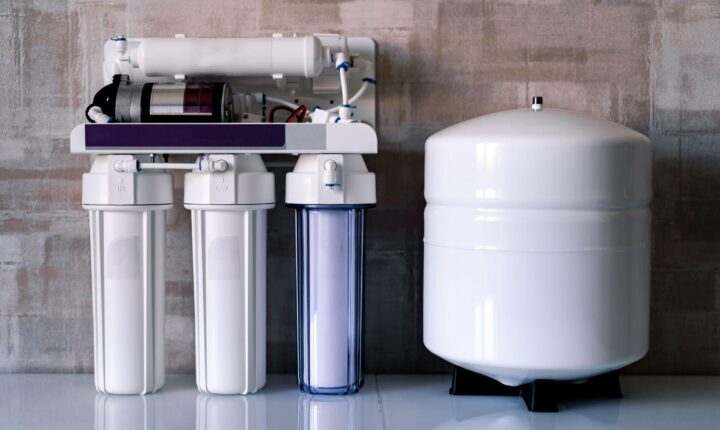
Depending on the situation, treatment may involve water softeners, sediment filters, carbon filtration, reverse osmosis, or a combination of technologies. System capacity is particularly important. Equipment designed for a small property may struggle in a busy commercial setting, especially during periods of high water demand.
Filtration and the Everyday Customer Experience
Water quality can also influence how customers experience a business. In restaurants and cafés, water taste may affect drinking water, coffee, tea, and ice. In hospitality settings, guests may notice unpleasant odors, mineral spots, or water that doesn’t feel comfortable during bathing. These details might not generate a complaint every time, but people notice them.
Proper commercial water filtration can help reduce certain unwanted substances, sediment, and taste or odor issues, depending on the technology selected. Carbon filters are often used for chlorine and taste-related concerns, while other filtration systems are designed to address specific particles or contaminants.
For businesses serving customers directly, water treatment isn’t merely a maintenance decision. It can be part of creating a more consistent experience, something that matters when customers return and expect the same quality each time.
Protecting Equipment and Managing Operating Costs
Commercial equipment is expensive, and replacing it sooner than necessary can affect a company’s budget. Scale buildup in water heaters, boilers, dishwashers, and other equipment may contribute to inefficiency or maintenance problems. Depending on the application, treating water appropriately can help reduce these issues.
Good water conditioning for businesses may involve softening, filtration, or specialized treatment designed for particular equipment requirements. The important thing is matching the treatment method to the application. A system intended to improve drinking water won’t necessarily provide the protection needed for a boiler or industrial process.
Businesses should also consider the ongoing costs of filter replacements, salt, electricity, servicing, and wastewater where applicable. The initial purchase price tells only part of the story. A properly sized, well-maintained system may offer better long-term value than cheaper equipment that struggles to meet daily demand.
Maintenance Shouldn’t Be an Afterthought
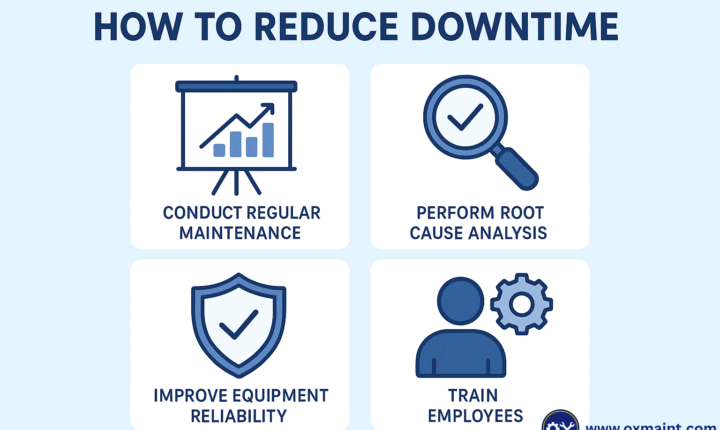
Even the best water treatment equipment needs attention. Filters have replacement schedules, softeners require replenishment, and system performance should be monitored. Commercial facilities benefit from having a maintenance plan because water usage can change as the business grows, equipment is added, or operating hours increase.
Regular inspections can help identify problems before they become expensive disruptions. Staff should also know who to contact when water quality changes, pressure drops, or equipment starts behaving differently.
Building a More Efficient Business
Better water management is often a practical investment rather than a flashy upgrade. It can support equipment longevity, simplify cleaning, improve water taste, and reduce recurring maintenance challenges when the system is properly selected.
Businesses don’t need to overcomplicate the process. Start with water testing, understand the facility’s daily demands, and choose treatment equipment that solves real problems. With the right approach, water becomes something the business can depend on instead of another operational concern to deal with. That’s a small improvement on paper, perhaps, but a meaningful one in the long run.