Water is one of those things most of us barely think about until something feels off. Maybe the morning coffee suddenly tastes a little metallic. Perhaps clean glasses come out of the dishwasher looking cloudy, or the shower leaves your skin feeling tighter than usual. None of these problems seem dramatic on their own, but when they happen every day, they start to become hard to ignore.
The interesting part is that household water doesn’t have to look dirty to be disappointing. Clear water can still contain minerals, chlorine, sediment, or other substances that affect its taste and the way it behaves around the home. Paying attention to these small signs can tell you quite a lot.
Start With What You Can Taste and Smell
For many families, drinking water is where concerns begin. Water straight from the faucet might have a noticeable chlorine smell, an earthy taste, or simply a flavor that makes bottled water seem more appealing.
Taste isn’t always an indication that water is unsafe, of course. Municipal water is treated according to local requirements, and some of the characteristics people notice are related to the treatment process itself or naturally occurring minerals.
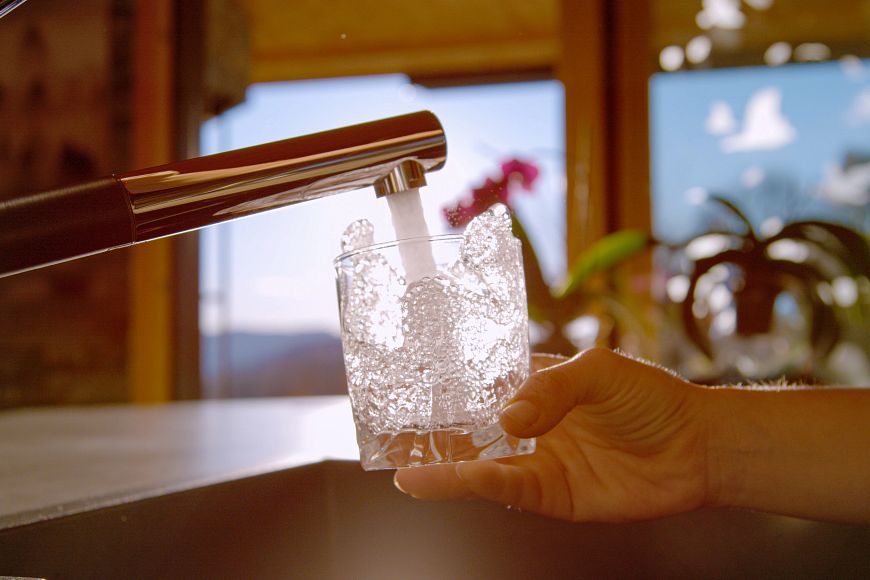
Still, wanting better-tasting drinking water is a perfectly practical reason to look at filtration. When water tastes fresh, people tend to reach for it more often instead of buying case after case of bottled water. Coffee, tea, ice cubes, soups, and even simple recipes can taste different too.
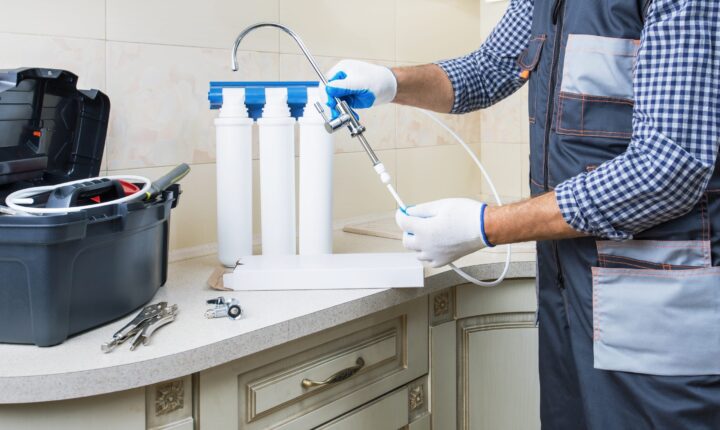
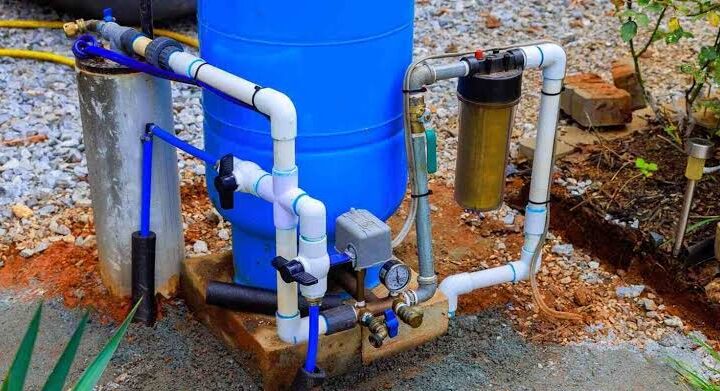
A basic filtration solution may be enough in some homes. Others might benefit from a system designed around the specific characteristics of their water supply.
Your Faucets and Fixtures Leave Clues
Walk through the kitchen and bathrooms and take a closer look at the faucets. White crust around the aerator? Spots that return shortly after cleaning? A showerhead with partially blocked spray holes?
These little annoyances can reveal quite a bit about tap water quality and its mineral content.
Calcium and magnesium are common minerals associated with hard water. They aren’t necessarily something to panic about, but over time mineral deposits can become frustrating. Scale builds around fixtures, settles inside appliances and makes everyday cleaning more of a chore.
It’s easy to get used to it. You wipe the faucet again, scrub the shower door again, and assume that’s simply part of keeping a house clean. Sometimes, though, the water is creating much of that extra work.
Laundry Can Tell a Story Too
Water interacts with nearly everything used for cleaning, including detergent and soap. That’s why laundry sometimes provides an early hint that something could be improved.
Towels may feel stiff even after washing. Dark clothes can look dull sooner than expected. You might also find yourself pouring in extra detergent because the normal amount doesn’t seem to do the job.
Hard water minerals can interfere with how effectively soaps work. This doesn’t mean every rough towel points to a water problem—detergent choice, washing temperature and the machine itself matter—but water hardness is worth considering.
Many homeowners discover that addressing hard water issues isn’t only about removing spots from a faucet. It can influence laundry, bathing, dishwashing and the amount of cleaning products used throughout the house.
Think About the Appliances You Don’t See Inside
Some effects of water happen out of sight.
Water heaters, dishwashers, washing machines and coffee makers repeatedly heat or move water through relatively small components. Mineral deposits can gradually accumulate inside those systems. You may not notice anything at first.
Then the coffee maker takes longer. The dishwasher doesn’t seem quite as effective. The water heater works harder than it used to.
Regular maintenance certainly matters, but understanding the water entering those appliances matters as well. A treatment approach that reduces unwanted minerals or sediment may help limit buildup and make appliances easier to maintain over the long run.
Don’t Guess When You Can Test
One mistake homeowners sometimes make is buying a water treatment system before figuring out what actually needs treatment.
A better starting point is water testing.
Depending on the home and its water source, testing can help identify hardness, iron, pH, dissolved solids and other characteristics. Homes supplied by private wells may require a broader testing approach than properties receiving municipally treated water.
Once you know what’s present, choosing equipment becomes much more straightforward.
A sediment problem might call for one solution, while unpleasant taste or odor may require another. Hardness has its own treatment options. In some situations, a combination system makes more sense than a single filter.
The goal isn’t to install the biggest piece of equipment available. It’s to solve the problems that actually exist.
Small Habits Still Make a Difference
Not every water improvement requires a major home project. Replacing refrigerator filters on schedule, cleaning faucet aerators, flushing a water heater when appropriate and maintaining existing filtration equipment can all help.
It’s also worth watching for changes.
If water suddenly develops an unusual color, strong odor, unexpected sediment, or a major change in taste, don’t simply assume it’s normal. Investigate the cause, especially when the change appears throughout the house.
Keeping notes sounds excessive, but it can be useful. When did staining begin? Is the odor noticeable only with hot water? Does the problem occur at every faucet or just one? Those details can make troubleshooting much easier.
Better Water Is Mostly About Everyday Comfort
Most people aren’t trying to turn their kitchen into a water laboratory. They simply want water that tastes good, fixtures that stay cleaner, showers that feel comfortable, and appliances that aren’t constantly fighting mineral buildup.
That’s why improving household water often starts with ordinary observations rather than complicated equipment.
Taste the water. Look at the fixtures. Notice how soap behaves. Pay attention to laundry and appliances. If something consistently seems wrong, have the water tested and choose a solution based on what the results actually show.
Good water quietly improves dozens of little moments around a home. You may not think about it every day—and, really, that’s the point. When the water is doing its job well, there’s usually nothing left to complain about.